Incense does not make the writing better. Stillness does.
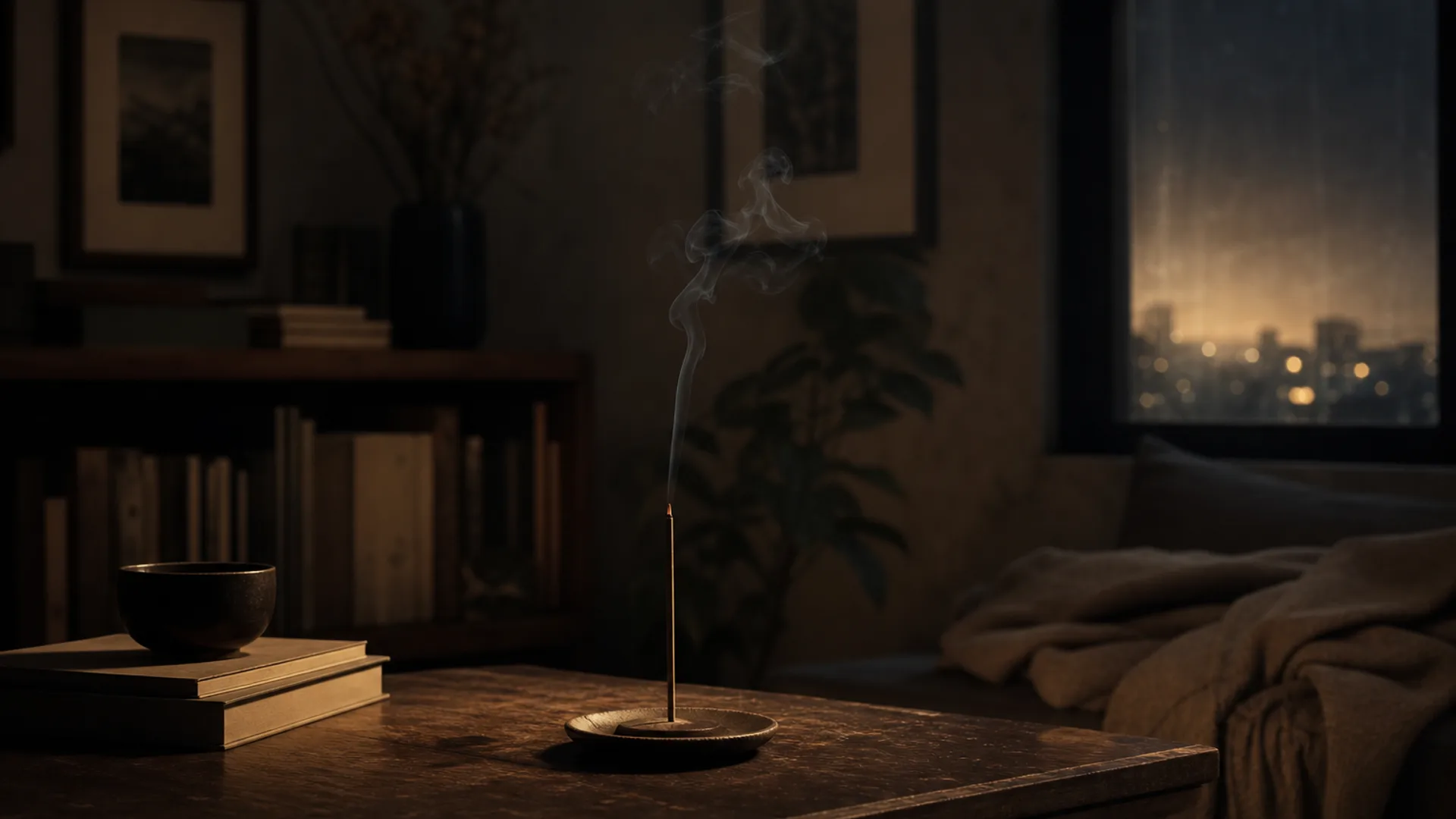
Night falls. The study lamp glows dim. A scholar unfurls paper. He lights incense first. Not for fragrance. For silence.
Before a single brush touches paper, the smoke rises. Slow. Thin. Unrushed. This was the rule of Song Dynasty literati. Not a luxury. A necessity. Huang Tingjian, the great Song poet, kept incense at his desk always.
He did not write for fame. He did not write in haste. The smoke cleared the noise of the world. It marked the line between busy days and quiet creation. In ancient Chinese literary culture, this was the xiang xi—the incense ceremony. No grand displays.
No crowds. Just a burner, a stick of incense, a desk, and a mind. The smoke did not hurry. Neither did the scholar. Culturally, incense held three truths. It was a practice of self-discipline.
Of calming the heart. Of setting a rhythm. The world outside moved fast. Inside the study, time slowed to the pace of burning smoke. Today, we rush every task. We write, create, and act with no pause.
The old ritual holds a quiet lesson. To make something meaningful. you must first stop. Breathe. Let the noise fade. Incense does not make the writing better.
Stillness does.