Why Green Noise Shows Up in Sleep Conversations
In recent years, many people searching for better sleep have discovered different types of background sound — white noise, brown noise, and green noise among them.
Green noise has gained attention for its calming, natural qualities. Some listeners describe it as one of the more relaxing sound environments for falling asleep and unwinding after a busy day.
1. What Is Green Noise?
Green noise is a type of sound that emphasizes frequencies commonly found in nature.
It is often compared to:
- Gentle rainfall
- Rustling leaves
- Flowing streams
- Soft ocean waves
The result is a soothing sound profile that many people find less harsh than traditional white noise — closer to the mid-range calm of a quiet park than the static of a fan on high.
2. Green Noise vs White Noise
White noise contains all audible frequencies played at equal intensity.
Examples include static, air conditioners, and some fans. While white noise can help mask distractions, some people find it too bright or mechanical for long listening.
Green noise tends to feel softer and more natural — still steady, but less sharp at the edges.
3. Green Noise vs Brown Noise
Brown noise emphasizes lower frequencies and often sounds deeper and more powerful — like distant thunder or a heavy waterfall.
Green noise sits somewhere between white and brown noise, offering a balanced and calming listening experience for people who want nature-like calm without too much rumble.
4. Why Do People Use Green Noise for Sleep?
Many people use green noise because it may help:
- Reduce awareness of sudden sounds
- Create a more consistent sleep environment
- Support relaxation before bedtime
- Encourage a sense of calm
Individual experiences vary. Many listeners report feeling more relaxed when exposed to natural soundscapes — especially in apartments or streets where noise arrives in unpredictable bursts.
5. Creating a Relaxing Sleep Environment
Sound is only one part of a restful bedroom.
Other factors that contribute to better sleep include:
- Comfortable bedding
- Soft lighting
- Reduced screen exposure
- Consistent sleep schedules
- Calm evening rituals
When combined, these elements help create an environment that supports relaxation — the kind of quiet atmosphere Quiet Ash writes about: lived-in, gentle, not staged.
6. How Scent and Sound Can Work Together
Many people find that combining soothing sounds with calming scents enhances their evening routine.
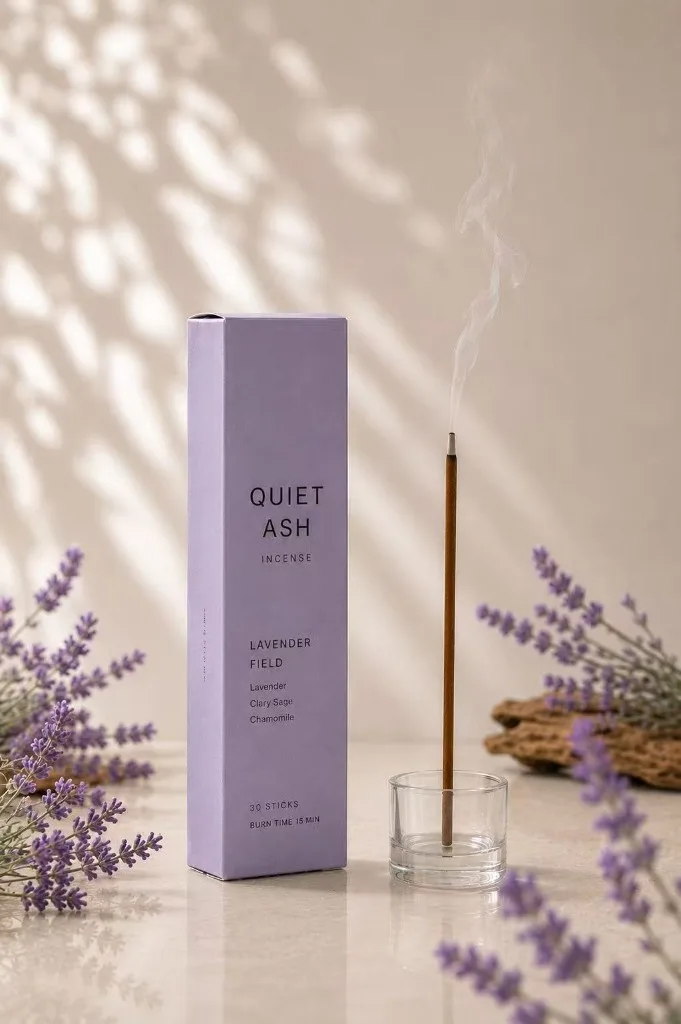
Natural aromas such as sandalwood, cedarwood, or gentle floral notes can help create a peaceful atmosphere alongside green noise.
Rather than focusing on a single solution, a complete sleep environment often includes multiple sensory cues — one steady sound, one soft light level, one restrained fragrance — that all say the same thing: the day is ending.
7. Building a Better Wind-Down Routine
A simple evening ritual might include:
- Dim the lights – so the room feels different from daytime
- Turn off devices – or keep them out of the bedroom
- Play green noise – at a low, comfortable volume
- Read or journal – for ten quiet minutes
- Add calm atmosphere – with soft scent or fresh air before sleep
Consistency is often more important than complexity. The goal is a repeatable transition, not a perfect performance.