What Is Sleep?
What sleep is in simple terms — recovery, stages, and why the body needs rest each night.
Explore scents, rituals, and atmosphere tips
to help you fall asleep faster and wake up refreshed.
Featured guide
Everything you need for deeper, calmer nights. Scents, atmosphere, and simple rituals that work.
Read the Guide ?Better sleep is not just about spending more hours in bed. Sleep quality is influenced by daily habits, bedroom atmosphere, evening routines, light exposure, stress levels, and sensory experiences. When any of these feel out of balance, nights can feel restless even after a long day.
This guide explores practical ways to improve sleep naturally through healthier habits, calming environments, and simple nighttime rituals. Whether you are struggling to fall asleep, waking during the night, or simply looking to create a more peaceful evening routine, these resources can help you build better sleep over time.
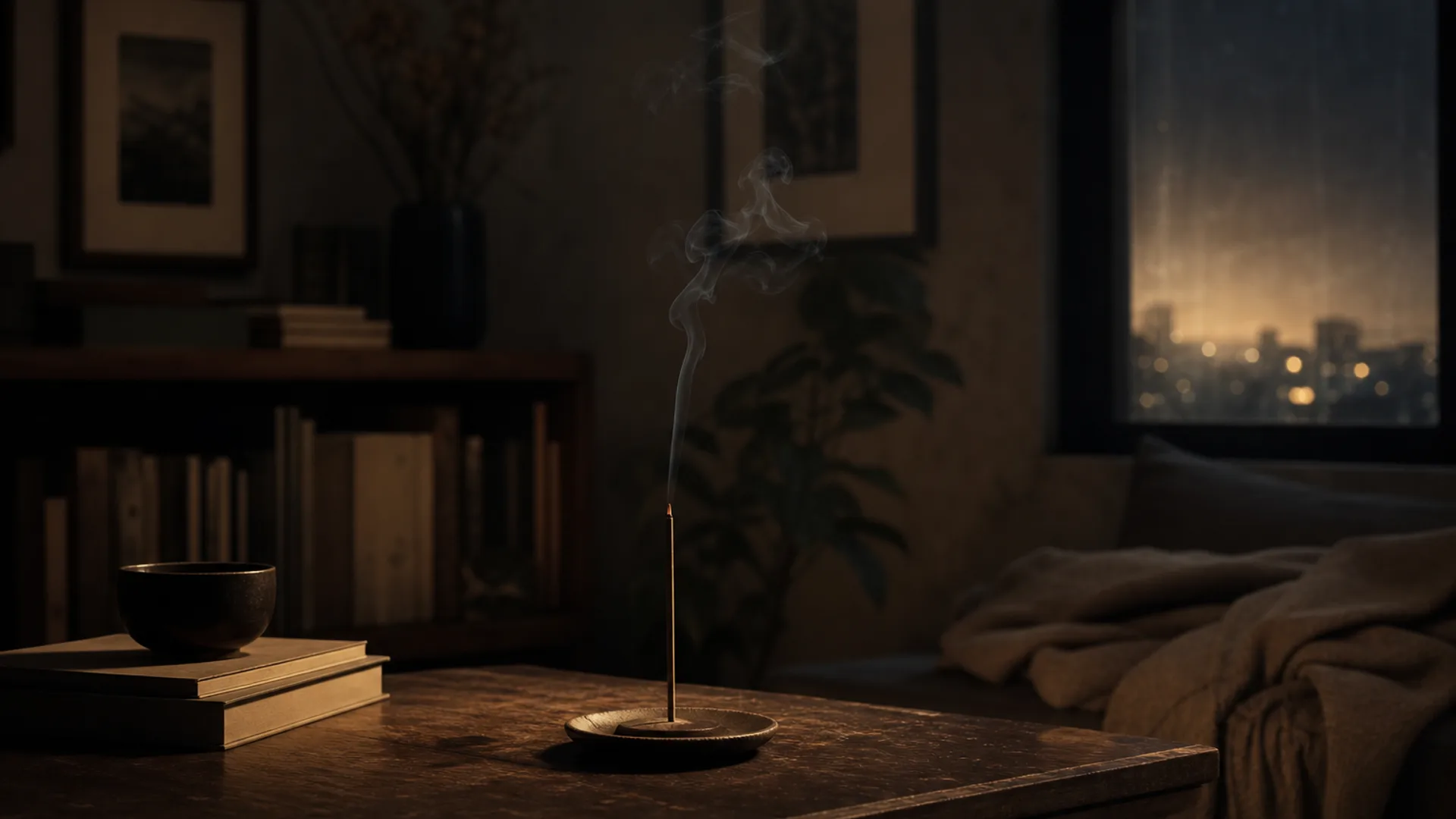
At Quiet Ash, we focus on the connection between atmosphere and rest. Small changes in scent, lighting, sound, and routine can often make a meaningful difference in how you sleep and feel the next day. We write from a lifestyle perspective — bedroom calm, slower evenings, and lived-in rituals — not from a clinical one.
Inside this topic you will find Sleep Basics guides on what sleep is, why it matters, sleep cycles and stages, deep sleep, sleeping well naturally, sleep hygiene, natural sleep improvement, common reasons sleep feels difficult, and how background sound such as green noise can support a quieter room. You will also find articles on bedroom scent, evening wind-down rituals, and gentle incense choices for small spaces. Each piece is meant to stand alone, but together they form a practical map for Better Sleep.
Many people begin with habits: a steadier bedtime, less screen light after dinner, caffeine earlier in the day, and a short transition before bed instead of going straight from work to sheets. Others start with the room itself — dimmer lamps, cooler air, less clutter on the nightstand, and sound that masks sudden street noise. Scent is often the last layer: sandalwood, soft woods, or light florals burned briefly, then allowed to fade so the room feels calm rather than perfumed.
Poor sleep rarely has one cause. Stress, irregular schedules, and an environment that still feels like daytime can overlap. That is why this hub links habits, atmosphere, and ritual in one place. If you are new here, start with what is sleep, why is sleep important, sleep cycle explained, and sleep stages explained — then explore how to sleep well naturally, deep sleep, sleep hygiene, why sleep feels difficult, solutions, scent, and sound when you are ready to refine the room.
The articles below are updated over time as we add new guides to the cluster. Use Popular searches for quick paths, read The Quiet Ash Sleep Guide for a longer overview, and bookmark what helps. Better sleep is usually built in small steps; this topic is here to support that pace.
What sleep is in simple terms — recovery, stages, and why the body needs rest each night.
Why sleep matters for physical recovery, brain function, immune health, and daily energy — and how healthy habits support better rest.
How light sleep, deep sleep, and REM fit together — and why some mornings feel clearer than others.
Learn what sleep stages are — light sleep, deep sleep, and REM — and why each phase matters for recovery and how you feel in the morning.
Timing, duration, and consistency — the rhythm behind nights that feel restful versus restless.
Stress, age, screens, and travel — why nights rarely stay the same, and what steadier habits can do.
Dreams, memory, and emotional processing — the active brain stage that closes each sleep cycle.
Physical recovery and cognitive restoration — two stages, different jobs, one balanced night.
What deep sleep does for recovery and practical habits that may support deeper rest at night.
Physical recovery, energy restoration, and nightly maintenance — the restorative stage your body depends on.
Tired mornings, low focus, and low energy — when hours in bed do not feel like enough rest.
Steady schedules, calmer evenings, and a supportive bedroom — habits for better sleep without quick fixes.
Practical habits — schedule, screens, stress, and bedroom comfort — for more restorative sleep over time.
Consistent bedtimes, calmer evenings, and a supportive room — hygiene habits that support healthy rest.
Learn the fundamentals of sleep hygiene and discover practical habits that can help improve sleep quality, bedtime routines, and bedroom atmosphere naturally.
Learn how to improve sleep quality naturally through better sleep habits, bedroom atmosphere, evening routines, and healthy sleep hygiene practices.
Lifestyle habits, stress, screens, and bedroom atmosphere — a calm look at common reasons nights feel restless.
What green noise is, how it compares to white and brown noise, and how sound fits into a softer evening routine.
Practical lifestyle steps to fix bad sleep through calmer evenings, bedroom atmosphere, and steady routines.
Stress, screens, irregular rhythms — understanding what drains sleep is the first step toward better nights.
Fatigue, focus, mood, and recovery — what happens when sleep falls short night after night.
Phones, tablets, and late-night scrolling — how screens can shift bedtime and sleep quality.
Light, stimulation, and late-night scrolling — what screens may do to rest before you close your eyes.
Quiet breath, gentle attention, and evening rituals that support relaxation before bed.
Discover the best incense scents for sleep, calming evenings, and nighttime relaxation with softer fragrances, low-smoke incense, and gentle bedroom atmosphere.
Discover softer bedroom scents for better sleep, calmer evenings, and a more relaxing nighttime atmosphere with low-smoke incense and subtle fragrance.
Simple evening rituals for better sleep, calmer nights, and less overstimulation through softer lighting, quiet routines, and gentle fragrance.
Learn how lighting, scent, airflow, and simple evening habits can create a calmer bedroom atmosphere for better sleep and more relaxing nights.
Discover why many people prefer softer scents before bed and how subtle fragrance can create a calmer nighttime atmosphere.
Wondering if you should burn incense before bed? Learn how softer scents, low-smoke incense, and short evening sessions can create a calmer nighttime atmosphere.
Discover the best scents for sleep, including sandalwood, lavender, white tea, and gentle woods that create a calmer nighttime atmosphere.