Start With Evening Habits
Bad sleep often improves when the last hour of the day feels different from the rest.
Try a fixed wind-down window: dim lights, put devices away, and repeat the same few actions most nights. The body learns the pattern faster than it learns occasional fixes.
1. Fix the Sleep Environment
A bedroom that still feels like daytime can work against rest.
Use softer lamps, cooler air when possible, and less visual clutter. If street noise is an issue, steady background sound — such as green noise — may help mask sudden interruptions.
2. Protect Your Sleep Schedule
Going to bed and waking at similar times supports a steadier internal clock.
Weekends included, staying within about an hour of your usual times often helps more than sleeping in to compensate.
3. Reduce Late Stimulation
Caffeine, heavy meals, intense exercise, and bright screens close to bed can keep nights alert.
Move stimulating choices earlier; keep the last part of the evening quiet and predictable.
4. Add a Simple Night Ritual
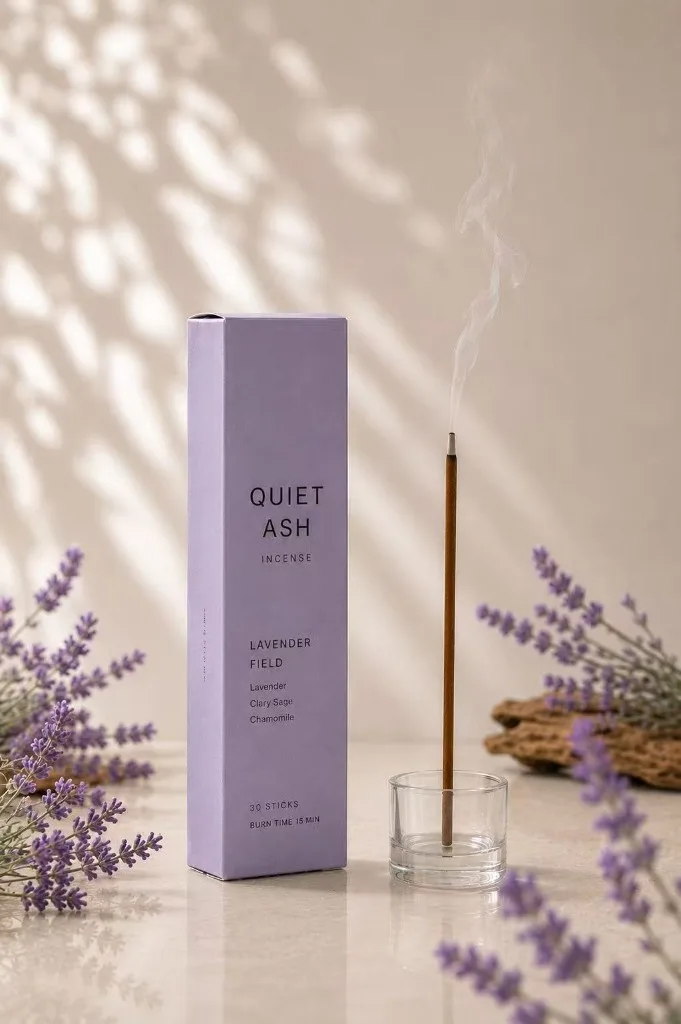
Reading, stretching, journaling, or a short incense session can signal that the day is ending.
Choose something you can repeat without effort — consistency beats complexity.
5. When to Keep Adjusting
If sleep still feels difficult after several weeks of steady habits, consider what changed in stress, travel, or environment.
This guide is about lifestyle and atmosphere, not medical treatment. Persistent sleep problems deserve professional support.