Understanding Poor Sleep
Many people struggle with poor sleep at some point. You may go to bed feeling tired, only to lie awake for hours. Or you fall asleep quickly but wake up feeling drained.
Bad sleep is often caused by a combination of lifestyle habits, environmental factors, and daily stress. Understanding what may be affecting your evenings can help you build healthier routines and a more restful bedroom atmosphere — naturally, and at your own pace.
1. Stress and Mental Overload
Stress is one of the most common causes of poor sleep. When the mind stays active long after the day has ended, the body has a harder time relaxing.
Work pressure, personal responsibilities, financial concerns, and constant digital stimulation can all contribute to nighttime restlessness. A softer evening transition — dim light, quieter sound, a few minutes without screens — often helps the room feel less like an extension of the workday.
2. Excessive Screen Time Before Bed
Phones, tablets, and computers emit blue light that may interfere with the body's natural sleep-wake cycle.
Late-night scrolling, checking emails, or watching videos can keep the brain alert when it should be preparing for rest. Many people find that putting devices away thirty to sixty minutes before bed makes evenings feel noticeably calmer.
3. An Inconsistent Sleep Schedule
Going to bed and waking up at different times each day can confuse your body's internal clock.
A consistent sleep schedule helps regulate circadian rhythms and makes it easier to fall asleep naturally — even on weekends, staying within an hour of your usual times often helps.
4. A Poor Sleep Environment
Your bedroom environment has a significant impact on how sleep feels.
Common disturbances include:
- Excessive noise
- Bright lighting
- Uncomfortable temperatures
- Cluttered surroundings
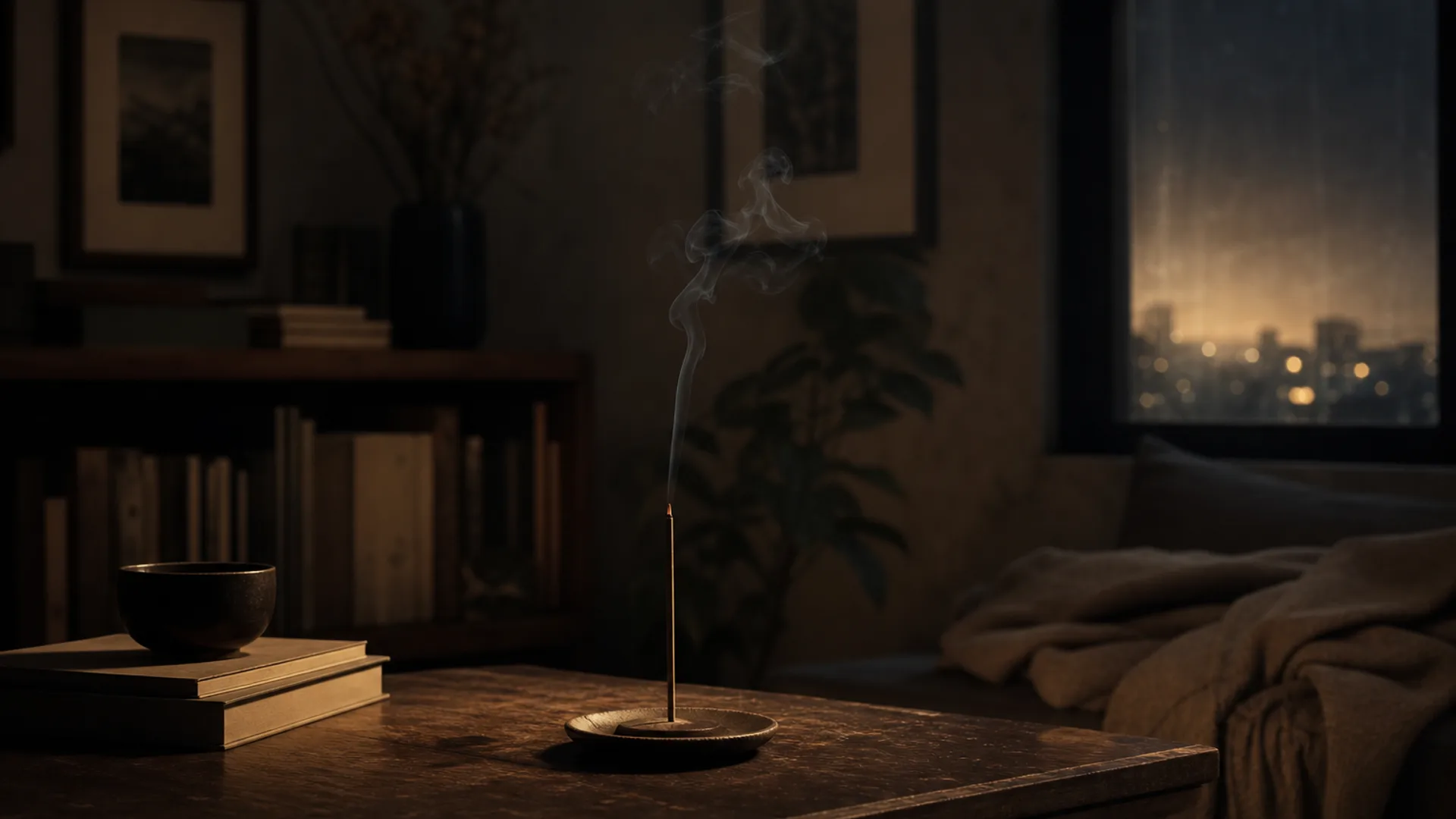
A calm, comfortable space — softer light, gentler sound, less visual noise — often makes falling asleep easier. This is atmosphere work, not perfection.
5. Too Much Caffeine
Caffeine can remain in the body for several hours after consumption.
Coffee, energy drinks, and certain teas consumed late in the day may reduce sleep quality and delay sleep onset. If evenings feel wired, try moving caffeine earlier or switching to herbal tea after mid-afternoon.
6. Lack of Physical Activity
Regular movement supports healthy sleep patterns.
People who spend most of the day sitting may find it harder to feel physically ready for rest at night. A short walk, light stretching, or gentle household tasks in the evening can help the body feel more naturally tired.
7. Eating Too Close to Bedtime
Large meals before bed can cause discomfort, indigestion, and disrupted sleep.
Many people prefer finishing dinner several hours before bedtime whenever possible — and keeping late snacks light if hunger strikes.
8. Noise and Light Disturbances
Even small interruptions can affect sleep quality.
Street traffic, household noise, bright screens, and artificial lighting may prevent deeper stages of rest. Soft background sound, blackout curtains, or a sleep mask can help — paired with a bedroom that feels intentionally quiet rather than accidentally loud.
9. Overstimulation Before Sleep
Many people move directly from busy activities into bed without time to unwind.
Creating a gentle transition between daytime activity and nighttime rest — reading, stretching, tidying one surface, lowering the lights — helps the body relax instead of crashing.
10. Lack of a Nighttime Ritual
Simple evening rituals signal to the mind that the day is ending.
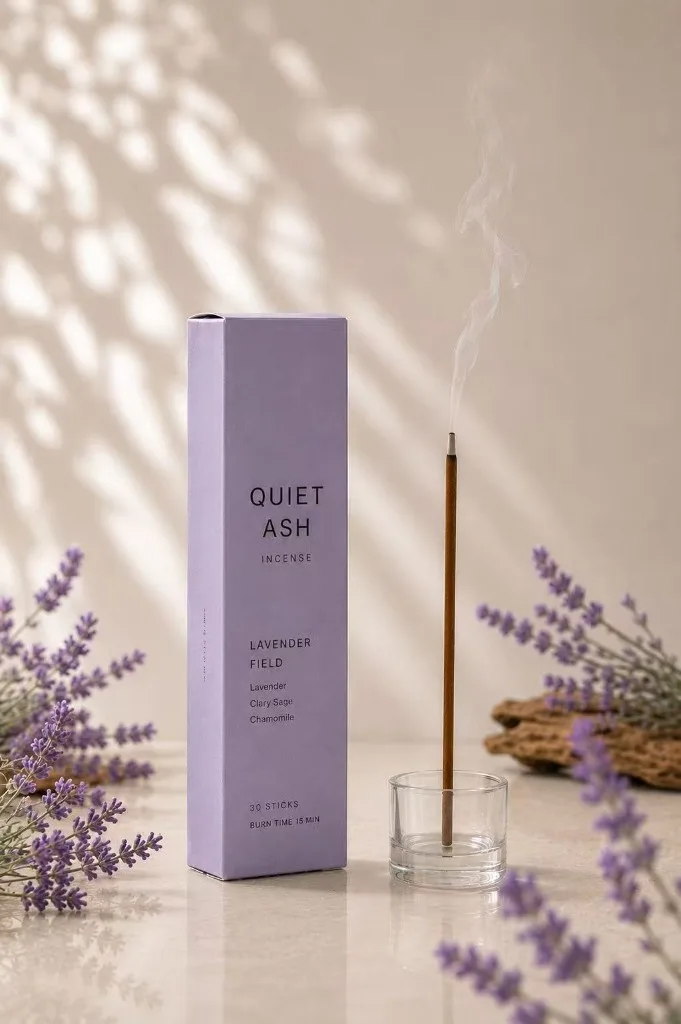
Reading, journaling, meditation, soft lighting, calming scents, or quiet reflection can help establish a healthier relationship with sleep. Consistency matters more than complexity.
11. How to Improve Sleep Naturally
Improving sleep often starts with small, sustainable changes:
- Maintain a consistent bedtime
- Reduce evening screen exposure
- Create a calming bedroom environment
- Limit caffeine later in the day
- Develop a relaxing nighttime routine
These habits may not produce instant results, but they can gradually support better sleep quality over time. For deeper habit and atmosphere guidance, see our Sleep Hygiene Guide and tips on improving sleep quality naturally.